
Friends, it seems like everything I’m reading right now is about the crisis at our borders. And not the garbage, build-a-wall crisis that the president would like us to focus on, but the real crisis of children and parents being separated. I understand you may not see yourself as political, but as a forensic nurse, this is antithetical to the work that we do. The real trauma that this causes is undeniable (here’s just one example of a powerful account of what separating kids from parents does). Perhaps you are educating yourself about this issue by reading about the experience of the president of the American Academy of Pediatrics after she visited one of the shelters for children; maybe you’ve seen the official statements released by her organization, Physicians for Human Rights (to which IAFN signed on), the National Association of Pediatric Nurse Practitioners, or the American Public Health Association; perhaps you read the op-ed by former first lady Laura Bush, calling the practice immoral, or this op-ed from some of our smart nursing colleagues on toxic stress; maybe you saw that more than 2,500 women in the faith community called on this administration to stop this policy once and for all; or the first-hand account of the immigration experts dealing with this issue daily.
But forensic nursing practice is about action, and in whatever way you feel you can do that, now is the time. Because this is not a made up, partisan crisis. This is a serious, humanitarian crisis. So voices need to be raised in protest and action must be taken. Here are some ideas:
- Slate did a great piece on all of the ways you can help. It’s a comprehensive list of organizations and actions around the US.
- On June 30th, there will be Families Belong Together rallies all around the US. You can check their website to see what’s happening in your own area, sign their petition, or donate money (and believe me, donating money is no insignificant thing–all causes need cash, so if you have it to donate consider giving it to one of the organizations working to overturn this terrible policy).
- Call/email/tweet your senator (especially your Republican ones, since as of this morning, not a single one has yet to sign on) to support the Keep Families Together Act. Contrary to what the president keeps saying, he has the power to stop this at his fingertips and barring that, the Republicans are in control of the House and the Senate. They could stop separating families. Let them know this is not okay.
It’s time (again) to use your privilege for good. Figure out what action looks like in your own life and take it. This is a bleak time for us here in the US, but for everyone who says, it’s not who we are, sadly, that’s not true. It is who we are, it is who we’ve been–open your history books, let’s talk about boarding schools, or internment camps. Or consider the entire shameful history of slavery in this country. It is definitely who we have been. We as a nation have a terrible history of separating children from their parents. But we can put an end to it this time around. I encourage you not to be complacent.
BTW, If you didn’t see AAP President Dr. Colleen Kraft on CBS This Morning, here’s just a brief clip of her interview with Gayle King:
Can children recover from this type of trauma?
“This type of trauma can be long lasting…we know very young children who are exposed to this type of trauma go on to not develop their speech…and wind up with developmental delays,” says @aappres pic.twitter.com/Yfck7Ehptq— CBS This Morning (@CBSThisMorning) June 18, 2018










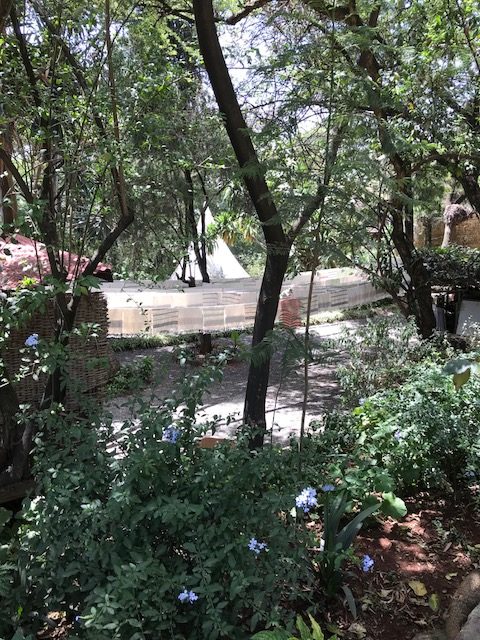

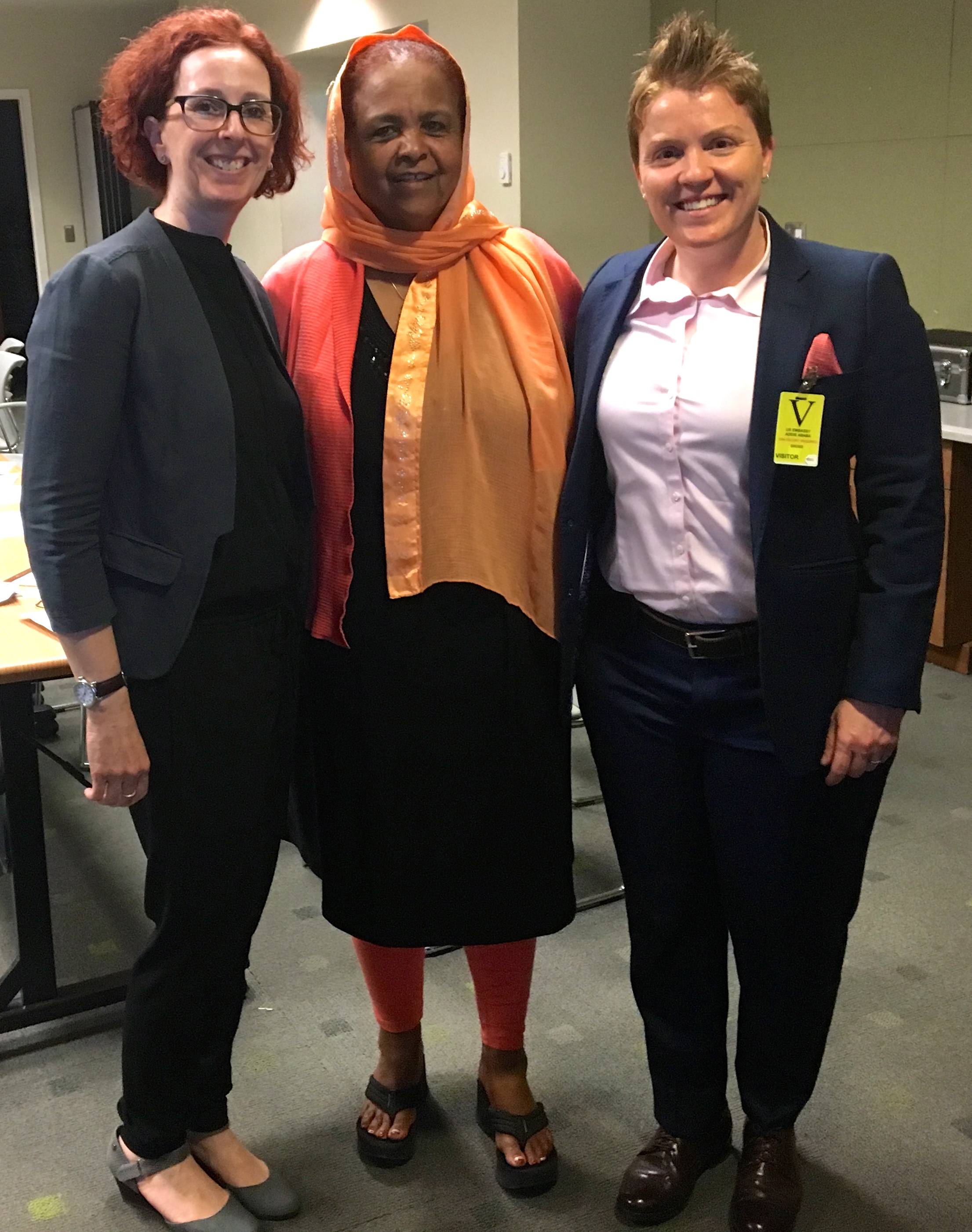 first shelter for rape and domestic violence victims in Ethiopia. The things she has accomplished are impressive, and we were so privileged to see her work in action on our last day when we were invited to visit the shelter. We met (and danced) with many of the teens and preteens, were treated to a traditional coffee and sweet made by some of the residents and staff and received a tour of the facilities. If I had done nothing else, the trip would have been worth it for that visit alone. Their shelter educates the children who live there, provides skills training for the women before they leave to live independently (we received beautiful scarves made by them), provides a huge range of healthcare, including deliveries, for the residents, and has on-site counseling services, child care services and pretty much anything else you could imagine being offered by a small village of dedicated women. You can read more about Maria and her amazing work
 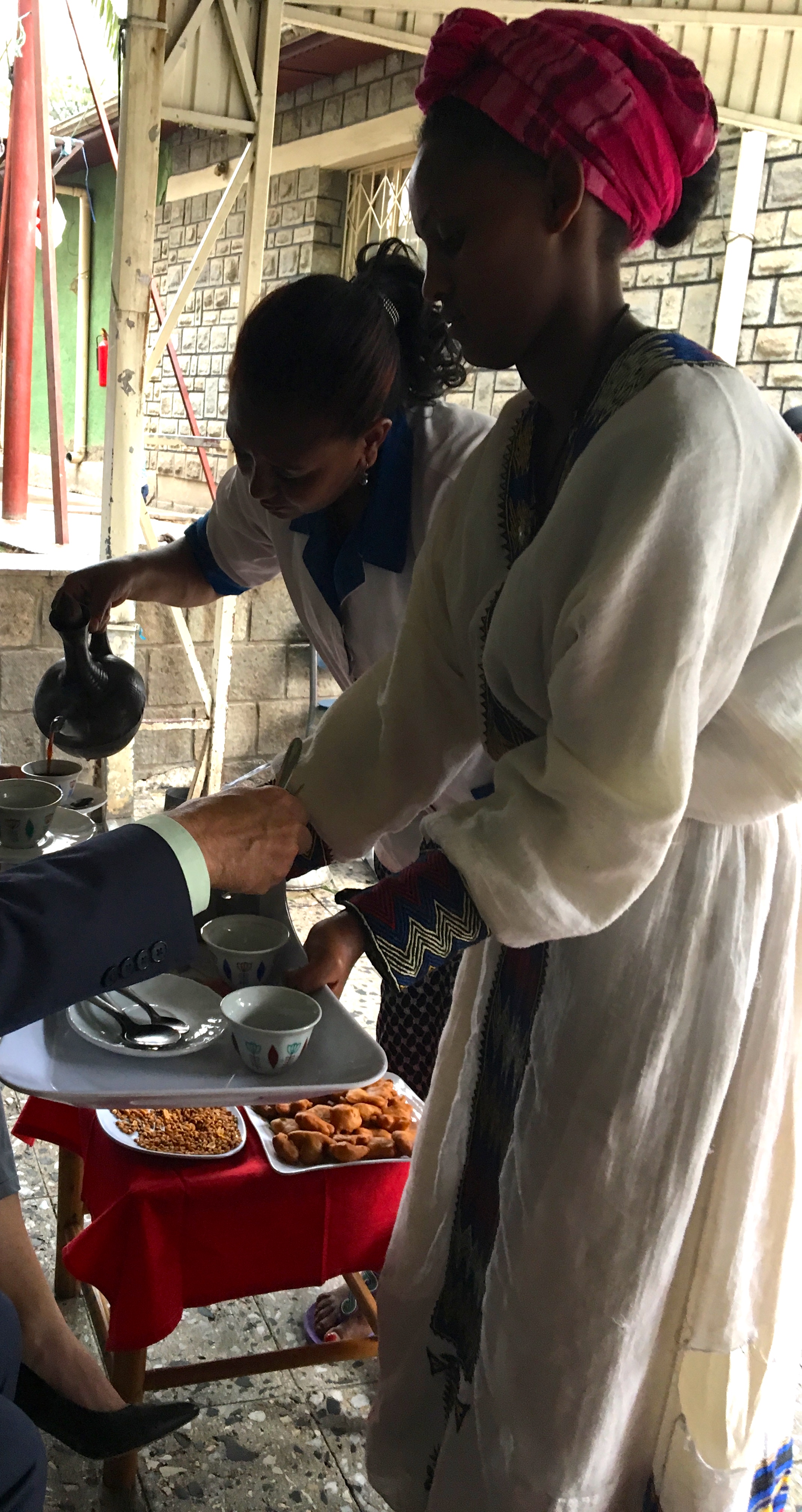 10. My intention is to stay connected to the remarkable people that I met there–to Maria and her great good works; the physicians who are seeing enormous patient loads because there are too few providers for the population; to the various other professionals who have already reached out for protocols or slides or additional resources. The trip wasn’t an easy one, but it was extraordinary, and I have never met, collectively, a more welcoming, generous, hospitable people than those I met in Ethiopia. We came home with some great stories, an obscene amount of



 Reload document
 Open in new tab