NCVC is hosting a free webinar on SANEs and victim sensitive evidence collection, March 2nd from 1-2 pm ET. “This webinar aims to increase understanding about the role Sexual Assault Nurse Examiners (SANEs) play in the proper collection of forensic evidence and in providing a supportive and empowering response to survivors. Participants will learn about how SANEs increase the probability of obtaining probative DNA evidence while minimizing trauma for survivors and how the involvement of SANEs increase prosecution rates.
Combating Teen Dating Violence
NIJ and the Government Innovators Network will host an expert chat to highlight prevention and intervention research on teen dating violence. The webinar will take place February 23rd from 4-6pm ET; you can register for the free session here.
Lots of focus on training this week over at the sustainability site this week:
*A sampling of some of the excellent training events and conferences coming up in the next two months. March and April are always packed, and this year’s no exception. If you have money to spend on live events, there’s plenty to choose from. I hope to see some of you at several of them.
*Even if you can’t afford to travel right now, there’s an interesting web forum being sponsored by OVC on strategic planning for victim service providers. Definitely worth checking out, and free.
I’m heading out to DC this weekend for a week of training with the Army (and some of my very favorite people). And then, if you can believe it–I’m taking a vacation. A short one, but a vacation nonetheless, with the Girls’ Vacation Club. We’re heading to Key West and it’s entirely possible I won’t even have my computer with me. If there’s no post next Friday you will know that I have completely committed to the whole relaxation thing…
Have a great weekend!
It looks like IAFN just made 12 sessions available from the ATL Annual Scientific Assembly as webcasts. The audio plus PowerPoint can be reviewed for CEUs, and if you attended the Assembly, it’s free. Not to worry–if you couldn’t make it, it’s still available to you for $19.99 if you’re an IAFN member ($29.99, non-members). Sessions are 90 minutes a piece, so that’s a pretty good deal, CEU-wise.
NCPTC Webinars
The National Child Protection Training Center has a slate of webinars coming up that might be of interest. Usually I wait to post individual sessions as they get closer on the calendar, but a couple of the NCPTC webinars have filled already so best not to wait. Several of the sessions are heavy on the legal, but with topics like Hearsay and Suggestibility, there’s certainly some clinical overlap.
Immigrant Women and Domestic Violence
Join Jewish Women International in a live webinar presented by Leslye Orloff, on March 4th from 12-1pm ET. The webinar will focus on immigrant women and domestic violence. Registration is $25 for non-members.
In my continuing quest to provide better access to free CME/CEUs for FHO readers, I decided to trawl through Medscape tonight and round up 20 offerings that can be completed quickly and easily. A couple caveats, though: 1.) not all of them are for RNs–physician and midlevel only CEs are marked accordingly; 2.) these things expire, and some more quickly than others [a few of them have about a 45 day shelf life], so check the dates to make sure you’ll get the credit you’ve earned; 3.) not all of these will be relevant to everyone’s practice–I’ve listed a pretty broad cross-section of topics that touch forensic practice in one capacity or another; and 4.) a few of these will look familiar as I’ve posted them on FHO before–apologies to the daily readers. Remember, Medscape requires registration to access these activities–it’s free, no worries.
A few really interesting posts over at the sustainability site this week. Both gave me some things to seriously consider:
- *Managing up, or the art of positioning people to effect positive change
- *What do we teach the future nurse?
Proposed Changes to the DSM
The APA has posted proposed revisions to the DSM that might be of interest. Comments can be submitted until April 20th should you be so inclined (the DSM-V is due to be published in 2013). Rewriting the DSM has not been without controversy, thus far.
The Economic Impact of Violence
AVA has some good resources on their site. One of the ones I really like is this 2009 presentation on the economic impact of violence, given by Dr. Amy Bonomi and Dr. Phaedra Corso. It’s definitely not the highest quality video, but the content is good stuff, and this is one of my favorite topics. Time runs about 43 minutes.
You can read more on this topic by visiting our clinical guide on the cost of violence.
Time once again for a run down of some of the new and noteworthy articles in the current literature (something I almost forgot to do this month!). All of these are from the late January/February/March issues and electronic previews. As always, please keep in mind this in no way a comprehensive list; simply items that have caught my attention from a selection of peer-reviewed journals. Links lead to PubMed abstracts; from there you can choose what’s worth a.) paying for; b.) a pilgrimage to your nearest medical library; or c.) downloading via the full-text access you possibly have at your disposal.
I frequently create a supplemental medical record as a tool for trainings I conduct. Unfortunately, I have been creating them from the same 2 medical record forms for years now, so it’s time to mix it up a bit. I am in search of electronic blank medical record forms for the following areas: Emergency, Forensics, L&D, and any adult primary care focus.

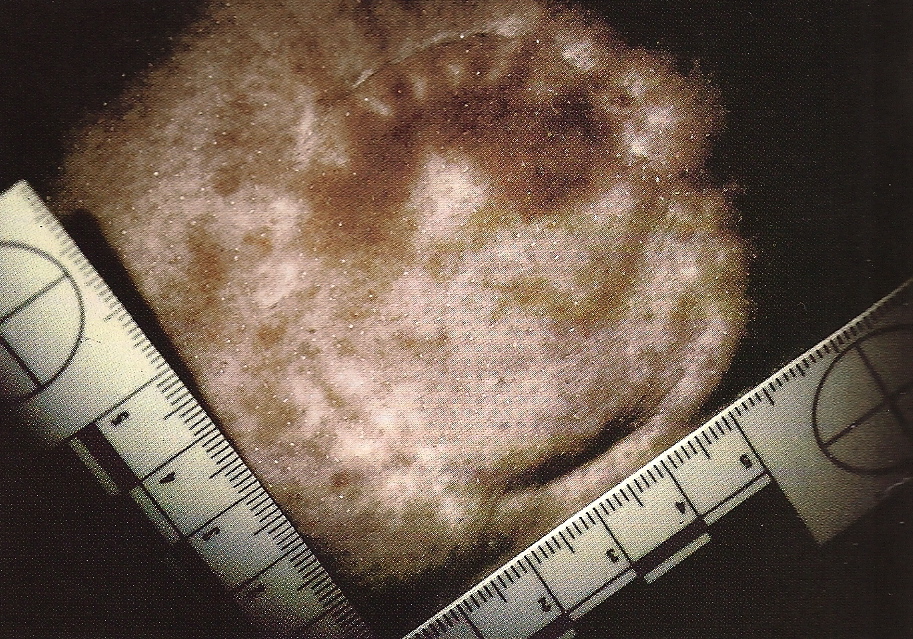
Last spring, I published a piece examining alternate light sources as a tool for semen and other bodily fluid detection. I promised I would come back with a piece on using ALS to identify and photograph injury not obvious or visible to the naked eye. Coincidentally I’ve been asked for some predicate questions by a prosecutor on this very issue, so in the spirit of bang for buck and all that, here you go:
Not surprisingly, there hasn’t been a ton written on this subject. I am including several links here, but unfortunately, they’re not all full-text. Some of these links don’t provide a guide for using ALS, so much as they support the use of ALS in the context of a broader approach to identifying injury. However, keep in mind: there is little research that supports using ALS for this purpose, so from an evidence-based standpoint you are out in the weeds. Be prepared to discuss this if one of your cases goes to court. (This is the kind of science I’m looking for on this subject, for those of you who have asked me.)
{My editorial here. Of note: “There is no evidence base, therefore, to support the use of an alternate light source as an independent tool to definitively interpret fluorescence as a sub- clinical bruise (i.e., bruising that is not visible to the naked eye). Given the high false-positive rate in detecting subclinical bruising, it is essential for medical and legal professionals to understand the resulting implications of promoting the use of ALS in a forensic setting.” (p. 5)}
Advances in Clinical Forensic Medicine
Alternative light source (polilight®) illumination with digital image analysis does not assist in determining the age of bruises
Enhancing the Visibility of Injuries with Narrow-Banded Beams of Light within the Visible Light Spectrum
Experience With Wood Lamp Illumination and Digital Photography in the Documentation of Bruises on Human Skin (full text)
Forensic Photography. Ultraviolet Imaging of Wounds on Skin
Forensic Ultraviolet Light in Clinical Practice: Evidence for the Evidence (full-text)
Marked Women (full-text)
Routine use of ultraviolet light in medicolegal examinations to evaluate stains and skin trauma
Soft Tissue Injuries in Victims of Color (Poster)
Spectrophotometric evaluation of the age of bruises in children: measuring changes in bruise color as an indicator of child physical abuse.
The Police Report Says He Choked Her–How Do I Prove It? (full text)
Use of an Alternate Light Source to Assess Strangulation Victims (full text for IAFN members and JFN subscribers)
Bite wound viewed under ultraviolet light (Photo: Color Atlas of Domestic Violence)
There’s some good stuff over at the Sustainability site this week. I hope you’ll check it out:
- *A new blog in town! NSVRC has added the Engaged Bystander blog.
- Now the Sustainability blog has a friend:)
- *An article that had me alternately laughing and a little embarrassed:
- 6 words non-profits should avoid (for all you grant writing and
- marketing types out there).
I’m headed to DC this weekend where they’re apparently expecting wicked snow. Say a prayer to the travel gods for me, if you get the chance. Have a great weekend everyone (go Saints)!
FHO Now on Facebook
It was really only a matter of time: FHO is now on Facebook. I’ll be posting relevant news articles and other print resources on our page, so there won’t be a lot of duplication between the 2 sites. Hope to see you there!
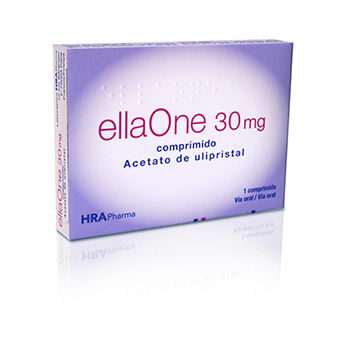
Emergency Contraception News

I’m hanging out in the Detroit airport hoping my late night flight home won’t get cancelled with all the snow falling out there. So I have just enough time to post some pretty interesting news from the EC front. Seems like there’s a new option on the horizon…
IPV & Pregnancy
White Ribbon Campaign Global Webinar
The White Ribbon Campaign is a Canadian organization focusing on men stopping men’s violence against women. I am a big fan, no question. (Personal disclosure: I have their posters plastered all over my office. They’re fantastic.). The Pixel Project is hosting a webinar featuring one of their staffers as part of their Weekend Webinar series.
Vicarious Trauma Webinar
The Family Justice Center Alliance has a webinar on vicarious trauma coming up February 11th from 9-11am Pacific. As with all FJCA webinars, it’s free, but preregistration is a good idea.
Our newest winner…

Thanks once again to everyone who entered the latest giveaway. I wish I had stuff to give each of you, but, alas, I have only one copy to offer up.
Click through for our winner…